The logistics industry is under growing pressure to cut emissions without sacrificing performance, and nowhere is that challenge more visible than in refrigerated transport. Traditional diesel-powered chiller vans keep food, medicine, and perishable goods cold, but they also burn fuel constantly, even while idling. The eco-friendly electric chiller van is changing that equation, offering businesses a way to maintain strict temperature control while dramatically reducing their carbon footprint.
What Is an Eco-Friendly Electric Chiller Van?
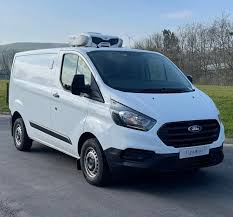
An eco-friendly electric chiller van is a refrigerated delivery vehicle powered entirely, or primarily, by electricity rather than diesel. Unlike conventional reefer vans that rely on a separate diesel-powered refrigeration unit, electric chiller vans draw power from the vehicle’s battery or a dedicated electric cooling system. This means zero tailpipe emissions, significantly lower noise levels, and a smaller environmental footprint across the entire cold chain.
These vans are increasingly used by grocery delivery services, pharmaceutical distributors, floral businesses, and catering companies that need to transport temperature-sensitive goods across short and mid-range routes.
Why Businesses Are Switching to Electric Chiller Vans
1. Lower Operating Costs Over Time
While the upfront cost of an electric chiller van can be higher than a diesel equivalent, the total cost of ownership tells a different story. Electricity is generally cheaper than diesel per mile, and electric drivetrains require far less maintenance since there are fewer moving parts, no oil changes, and no exhaust systems to service.
2. Reduced Carbon Emissions
Refrigeration units on diesel vans can burn nearly as much fuel as the engine itself, especially during long stops. An electric chiller van eliminates this secondary emissions source entirely, helping fleets meet sustainability targets and comply with tightening emissions regulations in urban low-emission zones.
3. Quieter Operations
Electric refrigeration systems run significantly quieter than diesel units. This makes electric chiller vans ideal for early morning or late-night deliveries in residential areas, where noise restrictions often limit traditional delivery windows.
4. Access to Green Zones and Incentives
Many cities now restrict or tax diesel vehicles entering city centers. Electric chiller vans typically qualify for green zone access, tax rebates, and government incentives, giving fleet operators both an environmental and financial edge.
5. Consistent Temperature Control
Modern electric refrigeration systems offer precise, digitally controlled temperature zones, which is critical for multi-drop deliveries carrying both frozen and chilled goods. This reduces spoilage and improves compliance with food safety and pharmaceutical transport standards.
Key Features to Look for in an Electric Chiller Van
- Battery range suited to your delivery routes — urban routes need less range than regional distribution runs
- Multi-temperature compartments for mixed cargo (frozen, chilled, ambient)
- Fast-charging capability to minimize downtime between shifts
- Insulated body construction to reduce energy load on the cooling system
- Telematics and temperature monitoring for real-time compliance tracking
Industries Benefiting Most from Electric Chiller Vans
- Grocery and meal-kit delivery — maintaining freshness on last-mile routes
- Pharmaceutical and healthcare logistics — strict temperature compliance for vaccines and medication
- Floral and horticulture businesses — preserving product quality in transit
- Catering and food service — reliable cold storage for short-haul deliveries
- Dairy and bakery distribution — consistent quality across daily delivery cycles
Challenges to Consider
Electric chiller vans aren’t without limitations. Battery range can still be a constraint for long-haul or rural routes, and charging infrastructure isn’t yet as widespread as fuel stations in every region. Additionally, the initial purchase price remains higher than diesel alternatives, though this gap is narrowing as battery technology improves and manufacturing scales up.
Businesses considering the switch should evaluate their typical route length, charging access at depots, and total cost of ownership over a 3–5 year period rather than focusing solely on the upfront price tag.
The Road Ahead for Sustainable Cold Chain Transport
As battery technology improves and charging networks expand, eco-friendly electric chiller vans are expected to become the standard rather than the exception in urban and regional cold chain logistics. Governments worldwide are tightening emissions regulations, and consumers increasingly favor brands that demonstrate genuine sustainability efforts. For fleet operators, adopting electric chiller vans isn’t just an environmental decision it’s a strategic one that positions businesses ahead of regulatory and market shifts.
Final Thoughts
The eco-friendly electric chiller van represents a meaningful step forward for industries that depend on reliable, temperature-controlled transport. By combining zero-emission driving with efficient electric refrigeration, these vehicles help businesses reduce operating costs, meet sustainability goals, and deliver fresher products all while supporting a cleaner, quieter urban environment.
Frequently Asked Questions (FAQs)
1. What is an eco-friendly electric chiller van used for?
It’s used to transport temperature-sensitive goods such as food, pharmaceuticals, and flowers using electric power instead of diesel, keeping products cold with zero tailpipe emissions.
2. Are electric chiller vans more expensive than diesel chiller vans?
The upfront cost is typically higher, but lower fuel and maintenance costs often make electric chiller vans more affordable over their operational lifetime.
3. How far can an electric chiller van travel on a single charge?
Range varies by model and battery size, but most electric chiller vans are well-suited for urban and regional delivery routes rather than long-haul transport.
4. Do electric chiller vans maintain the same temperature control as diesel models?
Yes, modern electric refrigeration systems offer precise, multi-zone temperature control that matches or exceeds diesel-powered units.
5. Can electric chiller vans access low-emission or restricted city zones?
In most cases, yes. Electric chiller vans typically meet the requirements for green zones and city center access where diesel vehicles face restrictions or fees.