The UAE has become one of the most advanced healthcare markets in the Middle East, with hospitals, pharmacies, and biotech companies operating across Dubai, Abu Dhabi, Sharjah, and beyond. Behind all of that sits a supply chain that most people never think about — cold chain logistics.
When a medicine says “store between 2°C and 8°C,” that instruction does not apply only to the pharmacy shelf. It applies from the moment that product leaves the manufacturer’s facility to the second it reaches the patient. In the UAE’s extreme summer heat — where outdoor temperatures routinely hit 45°C — maintaining that chain without the right vehicle is not just difficult, it is impossible.
This is where the pharma cold chain van plays a critical role.
What Is a Pharma Cold Chain Van?
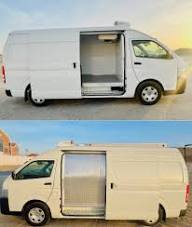
A pharma cold chain van is a specially designed, temperature-controlled vehicle used to transport pharmaceutical products — including medicines, vaccines, blood products, biologics, and diagnostics — while keeping them within a defined temperature range throughout the journey.
These are not ordinary refrigerated vans. Standard refrigeration keeps food cool. Pharmaceutical cold chain vans are engineered to precise standards, with real-time temperature monitoring, validated insulation, backup cooling systems, and the documentation trail that regulators require. In the UAE, this often means aligning with GDP (Good Distribution Practice) guidelines set by the Ministry of Health and Prevention (MoHAP) and international standards from the World Health Organization.
Why the UAE Presents a Unique Challenge for Cold Chain Logistics
UAE Heat and Cold Chain Risk Map
Infographic showing temperature risk zones across UAE cities for pharmaceutical cold chain logistics
The UAE is not a forgiving environment for anything temperature-sensitive. Here is what makes the logistics particularly demanding:
- Extreme ambient heat. Summer temperatures regularly exceed 45°C, meaning any brief lapse in refrigeration can degrade a product within minutes.
- Long distribution distances. Deliveries cover not just major cities but free zones, hospitals in remote areas, ports, and airport cargo facilities spread across a large geography.
- Regulatory scrutiny. MoHAP and the Emirates Authority for Standardization and Metrology (ESMA) apply strict rules to pharmaceutical imports and distribution. Temperature excursions that go unlogged can result in product rejection or licence suspension.
- High-value cargo. Many biologics, oncology drugs, and specialty medicines cost tens of thousands of dirhams per shipment. Loss due to a cold chain failure is not just a health risk — it is a serious financial one.
What Makes a Good Pharma Cold Chain Van in the UAE?
Not every refrigerated vehicle on the road qualifies as a pharmaceutical-grade transport solution. The key features that distinguish a genuine pharma cold chain van include:
- Validated temperature range. Most pharma products require 2–8°C (cold chain) or 15–25°C (ambient/controlled room temperature). Vans need to maintain these ranges precisely, not approximately.
- Continuous data logging. A calibrated data logger records temperature at intervals throughout the journey. This log becomes part of the delivery documentation, and the recipient can verify that the product was never out of range.
- Backup cooling systems. If the primary refrigeration unit fails in 45°C heat, the driver needs time to respond. Eutectic plates or secondary systems buy that buffer.
- GDP-compliant documentation. Delivery notes, temperature reports, chain of custody records — all are required by regulators and hospital procurement departments.
- Driver training. The vehicle is only as reliable as the person driving it. Trained drivers know not to leave doors open, how to handle an alarm, and when to escalate a temperature excursion.
Who Needs Pharma Cold Chain Van Services in the UAE?
The need for reliable temperature-controlled pharmaceutical transport spans multiple sectors across the country:
- Hospital and clinic procurement departments receiving regular medicine deliveries
- Pharmaceutical importers and distributors moving stock between warehouses and healthcare providers
- Biotech and research companies transporting biological samples and investigational drugs for clinical trials
- Vaccine distributors working with government health programmes
- Retail and hospital pharmacies in Dubai, Abu Dhabi, Sharjah, Ajman, and the Northern Emirates
- Medical device companies shipping temperature-sensitive kits and reagents
In short, if your product has a storage instruction on the label, it almost certainly needs a properly qualified cold chain van during delivery.
How to Choose the Right Cold Chain Logistics Partner
Selecting a cold chain transport provider in the UAE requires more than checking whether they have a refrigerated van. Here is what to look for:
- GDP certification or alignment. Ask whether their operations follow WHO GDP or EU GDP standards. A compliant provider will have documented procedures for temperature deviations, vehicle qualification, and personnel training.
- Route coverage. Make sure they cover your specific delivery zones — including free zones like JAFZA, DIC, and DHCC, which have their own access procedures.
- Technology infrastructure. Real-time visibility into your shipment’s temperature through a customer portal or dashboard is increasingly a standard expectation, not a premium feature.
- Incident handling. Ask how they handle a temperature excursion. A serious provider has a documented escalation process — not just a driver saying “it looked fine.”
- References from similar clients. A provider that already works with hospitals, pharmacies, or pharma distributors in the UAE will understand the specific documentation and compliance expectations of your industry.
The Regulatory Environment in the UAE
Pharmaceutical logistics in the UAE operates under a layered regulatory structure. MoHAP oversees drug licensing and distribution standards at the federal level. Each emirate also has its own health authority — the Dubai Health Authority (DHA) and the Health Authority Abu Dhabi (HAAD) — which apply their own procurement and delivery requirements.
For companies importing or distributing medicines, demonstrating a validated cold chain is not optional. Regulators increasingly request temperature logs as part of import clearance and market surveillance activities. Choosing a cold chain van provider without proper documentation capability can create compliance gaps that surface at exactly the wrong moment — during a regulatory audit or a product recall investigation.
Conclusion
Pharmaceutical cold chain logistics in the UAE is a serious discipline — not a simple delivery service with a cool box. The combination of extreme heat, strict regulations, high-value cargo, and patient safety stakes means that every van, every route, and every driver matters. Choosing a provider who understands GDP principles, invests in proper monitoring technology, and maintains clear documentation is not a luxury. It is a basic requirement for anyone moving medicines across the UAE.
Whether you are a hospital, a pharmacy chain, a biotech company, or a pharma distributor, working with the right cold chain van partner protects your products, your patients, and your reputation.

FAQs:
Q1: What temperature range does a pharma cold chain van maintain in the UAE?
Most pharma cold chain vans in the UAE maintain 2–8°C for vaccines and biologics, with some supporting 15–25°C for ambient medicines.
Q2: Is GDP compliance required for pharmaceutical delivery vans in the UAE?
GDP compliance is not always legally mandatory, but most hospitals and pharma distributors in the UAE require it contractually from their logistics partners.
Q3: How is temperature monitored during delivery?
A calibrated data logger records temperature every 5–15 minutes throughout the journey and generates a report delivered with the shipment.
Q4: Can a pharma cold chain van deliver to all UAE emirates?
Yes, most established providers cover all seven emirates, though free zone and remote facility coverage should be confirmed before signing.
Q5: What happens if there is a temperature excursion during delivery?
The driver is alerted, the incident is escalated, a deviation report is issued, and the product owner decides on release based on the documented data.
Q6: How do I verify that a cold chain provider is legitimate in the UAE?
Request their MoHAP distribution licence, vehicle qualification records, data logger calibration certificates, and references from existing pharma clients.