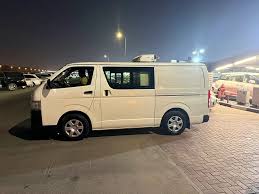
Fresh seafood and fish are among the most delicate products to transport. A few degrees of temperature fluctuation can cause spoilage, bacterial growth, and loss of quality within hours. That’s why seafood suppliers, fish markets, restaurants, and online seafood delivery businesses rely heavily on chiller vans to maintain freshness from the moment fish leaves the dock to the moment it reaches the customer.
This guide covers everything you need to know about seafood and fish delivery chiller vans from ideal temperatures to choosing the right van and avoiding common mistakes.
Why Seafood Delivery Needs a Specialized Chiller Van
Unlike dry goods or even other perishables, seafood and fish are highly sensitive to temperature abuse. Bacteria multiply rapidly once fish rises above safe holding temperatures, leading to spoilage, odor, and potential health hazards. A specialized chiller van is designed to:
- Maintain consistent low temperatures throughout the journey
- Prevent temperature spikes when doors open for loading and unloading
- Reduce moisture loss that affects texture and appearance
- Protect against cross-contamination from other cargo
For any business handling seafood logistics, investing in proper refrigerated transport isn’t optional it’s essential for food safety and customer trust.
Ideal Temperature Range for Seafood and Fish Transport
Most fresh seafood should be transported at temperatures between 0°C and 4°C, which slows bacterial growth while keeping the fish from freezing. For frozen seafood, temperatures typically need to stay at -18°C or lower to preserve texture and prevent ice crystal damage.
A good chiller van for seafood delivery should have:
- Digital temperature monitoring and display
- Rapid cooling recovery after door openings
- Insulated walls, floors, and doors
- Drainage systems to manage melting ice or liquid runoff
Types of Chiller Vans Suitable for Seafood Delivery
1. Standard Chiller Vans
Best for short-distance deliveries of fresh fish to restaurants, markets, or retail stores where temperatures need to stay just above freezing.
2. Multi-Compartment Vans
Useful for businesses delivering both fresh and frozen seafood in a single trip, as these vans allow separate temperature zones.
3. Deep-Freeze Vans
Designed for transporting frozen fish and seafood products over longer distances or for bulk wholesale distribution.
4. Insulated Box Vans with Ice Packing
A more affordable option for small-scale sellers, relying on ice or gel packs combined with insulated compartments rather than mechanical refrigeration.
Key Features to Look for When Choosing a Seafood Delivery Van
- Fast cooling recovery – Since doors open frequently during multi-stop deliveries, the van should quickly return to target temperature.
- Odor-resistant interior lining – Seafood odors can linger and affect future loads if the interior isn’t properly sealed and cleanable.
- Leak-proof flooring – Fish transport often involves melting ice or natural liquid runoff, so proper drainage prevents contamination and unpleasant smells.
- Backup power or battery cooling – Useful for longer routes where the engine may be turned off during stops.
- Easy-to-clean surfaces – Hygiene is critical in seafood logistics, so stainless steel or food-grade plastic linings are preferred.
Common Mistakes in Seafood Delivery Logistics
- Overloading the van – Packing too much stock reduces airflow around the cooling unit, causing uneven temperatures.
- Frequent door openings without planning delivery routes – Every time the door opens, cold air escapes, so poor route planning increases spoilage risk.
- Ignoring pre-cooling – Loading warm seafood into a van that hasn’t been pre-cooled causes temperature spikes that are hard to recover from.
- Using the wrong van type – Using a standard delivery van without proper insulation for seafood transport is a common and costly mistake.
- Not monitoring temperature during transit – Without a temperature logging system, it’s difficult to catch and correct problems before spoilage occurs.
Tips for Running a Successful Seafood Delivery Business Using Chiller Vans
- Pre-cool the van before loading to avoid sudden temperature rises.
- Use insulated crates or boxes inside the van for extra protection, especially during multi-stop routes.
- Plan delivery routes efficiently to minimize the number of times doors are opened and reduce total transit time.
- Train staff on proper loading and handling techniques to avoid contamination and temperature abuse.
- Invest in temperature tracking technology so you can prove compliance with food safety standards and quickly identify issues.
Renting vs. Buying a Chiller Van for Seafood Delivery
For seasonal or growing seafood businesses, renting a chiller van is often more practical than purchasing one outright. Renting allows you to:
- Scale up during high-demand periods (holidays, festivals, peak fishing seasons)
- Avoid the high upfront cost of specialized refrigeration equipment
- Access well-maintained vans without dealing with repairs or servicing
- Test different van sizes before committing to a long-term investment
On the other hand, businesses with consistent, high-volume seafood delivery may find it more cost-effective over time to purchase and maintain their own fleet.
Final Thoughts
Seafood and fish delivery is one of the most demanding areas of cold chain logistics, requiring precise temperature control, proper insulation, and careful handling. Whether you’re a small fish market or a large seafood distribution company, choosing the right chiller van and using it correctly is key to preserving freshness, ensuring food safety, and keeping customers satisfied.
If you’re just starting out, renting a chiller van suited to your seafood volume and delivery distance is a smart way to test your logistics setup before making a bigger investment.

Frequently Asked Questions (FAQs)
1. What temperature should a chiller van maintain for fresh seafood delivery?
Fresh seafood should be kept between 0°C and 4°C, while frozen seafood requires temperatures of -18°C or lower.
2. Can one chiller van transport both fresh and frozen seafood together?
Yes, multi-compartment chiller vans are designed with separate temperature zones, allowing fresh and frozen seafood to be transported safely in a single trip.
3. Is it better to rent or buy a chiller van for a seafood delivery business?
Renting is usually better for seasonal or growing businesses, while buying may be more cost-effective for companies with consistent, high-volume delivery needs.
4. What features should I look for in a seafood delivery chiller van?
Look for fast cooling recovery, leak-proof flooring, odor-resistant interior lining, and reliable temperature monitoring systems.
5. How can I prevent seafood spoilage during delivery?
Pre-cool the van before loading, avoid overloading, plan efficient delivery routes, and use temperature tracking to catch issues early.