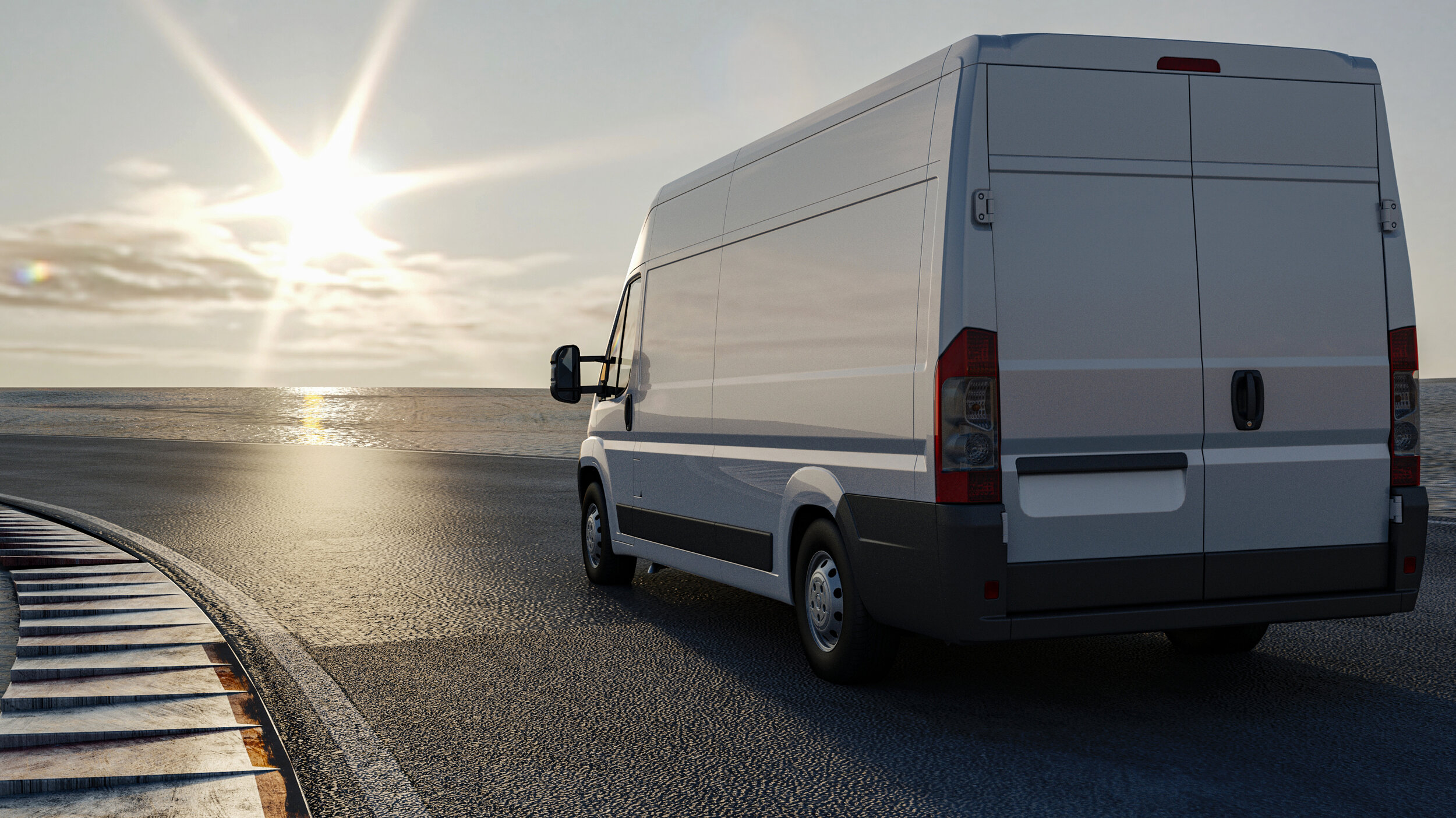
Dubai’s food industry runs on freshness. Whether it’s premium lobster headed to a five-star hotel in Downtown or fresh hammour delivered to a fish market in Deira, one thing is certain — the quality of seafood depends heavily on how it’s transported. Dubai’s hot climate makes cold chain logistics not just a preference, but a necessity.
If you’re a seafood supplier, restaurant owner, or catering business in Dubai, this guide explains everything you need to know about choosing the right refrigerated transport solution.
Why Temperature Control Is Non-Negotiable for Seafood
Fish and shellfish are among the most temperature-sensitive food products in the world. Once removed from the ocean or processing facility, bacterial growth begins almost immediately at room temperature. In Dubai, where outdoor temperatures can exceed 45°C in summer, even a 30-minute delay without proper cooling can compromise an entire shipment.
According to food safety standards followed across the UAE, fresh seafood must be kept between 0°C and 4°C throughout transit. Frozen seafood must be maintained at -18°C or below. These aren’t just recommendations — they’re the difference between a product that sells and one that ends up in a dumpster.
Chiller Van vs. Freezer Van: Which One Do You Need?
Choosing the wrong vehicle type is one of the most common mistakes seafood businesses make. Here’s a quick breakdown:
| Feature | Chiller Van | Freezer Van |
|---|---|---|
| Temperature Range | 0°C to +8°C | -18°C to -25°C |
| Best For | Fresh fish, chilled shellfish, live seafood | Frozen fish, prawns, squid, ice cream |
| Delivery Distance | Short to medium haul | Short to long haul |
| Common Routes | Fish market to restaurant, hotel, catering | Cold storage to supermarket, export, bulk |
| Rental Cost (Dubai) | AED 150–250/day (small van) | AED 250–450/day (depending on size) |
If you’re transporting fresh hammour, shrimp on ice, or live crabs to a restaurant in JBR or Business Bay, a chiller van is your go-to. If you’re moving frozen tuna loins or bulk prawns from a warehouse in Jebel Ali to a supermarket chain, a freezer van is the right call.
Common Seafood Delivery Routes in Dubai
Dubai’s seafood supply chain is well-established. Most fresh seafood enters through the Deira Fish Market (Al Jubail Fish Market) or arrives via air freight at Dubai International Airport. From there, it moves to:
- Hotels and resorts — JBR, Palm Jumeirah, Downtown Dubai
- Restaurants and cafes — across Jumeirah, Deira, Al Barsha, and Business Bay
- Supermarkets and hypermarkets — Carrefour, Lulu, Spinneys distribution centers
- Catering companies — serving corporate offices, events, and labor camps
- Cold storage facilities — in Jebel Ali Free Zone and Al Quoz industrial areas
Each of these destinations requires a vehicle that can maintain consistent temperature throughout multiple stops — especially important in summer when opening van doors repeatedly can cause temperature spikes inside the cargo area.
What to Look for in a Seafood Transport Provider
Not all refrigerated transport companies are equal. When choosing a provider for seafood delivery in Dubai, here’s what actually matters:
- Temperature logging — Does the van have a digital temperature recorder? This is essential for HACCP compliance and food safety audits.
- Hygiene standards — The cargo area should be sanitised regularly. Seafood odors and bacteria can transfer between loads.
- Van size options — A Toyota Hiace chiller van is great for small restaurant deliveries. A 3-ton or 5-ton truck is better for wholesale or bulk orders.
- Driver experience — Drivers handling seafood should understand food safety basics and be aware of how often doors should remain open during delivery.
- Flexible rental terms — Some businesses need daily hire, others need monthly contracts. Choose a company that offers both.
Seafood Transport from Dubai to Abu Dhabi and Sharjah
Many seafood businesses in the UAE don’t just operate within Dubai — they supply to Abu Dhabi restaurants, Sharjah hotels, and even Fujairah coastal communities. For inter-emirate transport, a properly insulated freezer van or chiller truck is critical. The journey from Dubai to Abu Dhabi along Sheikh Zayed Road takes roughly 60–90 minutes in normal traffic, which is well within the safe window for chilled seafood — as long as the van’s refrigeration unit is running efficiently throughout.
Final Thoughts
Seafood transport in Dubai doesn’t have to be complicated — but it does have to be done right. From choosing between a chiller van and a freezer van to understanding inter-emirate delivery requirements, the right refrigerated transport partner makes all the difference.
Whether you’re a small fish supplier or a large catering company, investing in proper cold chain logistics protects your product, your reputation, and your customers.

Frequently Asked Questions
What temperature should seafood be kept at during transport in Dubai?
Fresh seafood must be kept between 0°C and 4°C. Frozen seafood should remain at -18°C or lower throughout the journey.
Can I rent a chiller van for a single day for seafood delivery in Dubai?
Yes. Most refrigerated van rental companies in Dubai offer daily hire options, which is ideal for one-time deliveries or event catering.
Is a Toyota Hiace chiller van suitable for seafood transport?
Yes, a Hiace chiller van works well for small to medium loads — typically up to 500–700 kg — and is commonly used for restaurant and hotel deliveries across Dubai.
What’s the difference between a fridge van and a freezer van for seafood?
A fridge (chiller) van maintains temperatures just above freezing, suitable for fresh seafood. A freezer van goes much colder, used for frozen products that must stay solid during transit.
Do refrigerated transport companies in Dubai provide temperature certificates?
Reputable providers offer trip temperature logs upon request, which can be useful for HACCP documentation and hotel or supermarket supplier audits.