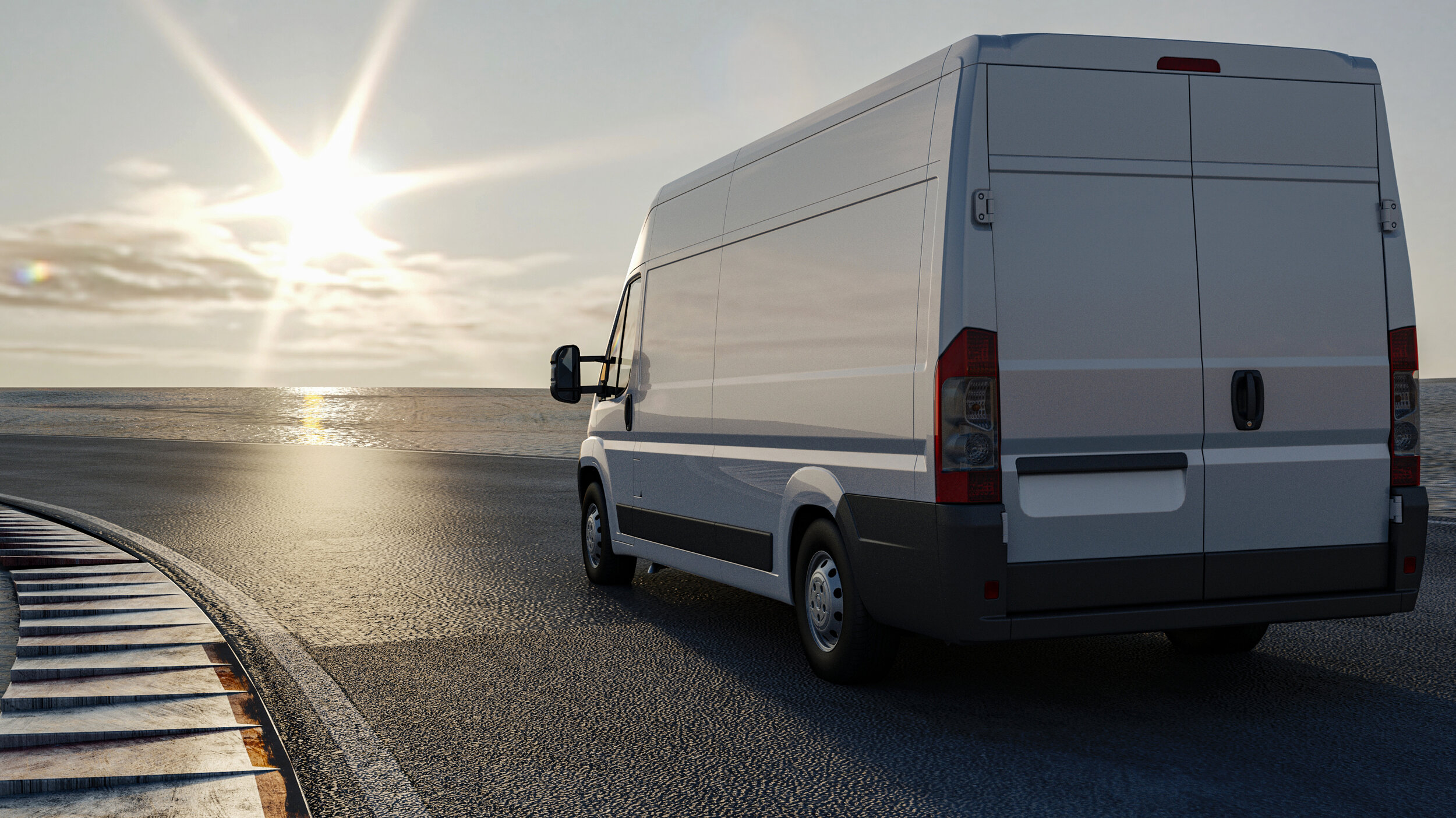
If you run a cold chain business frozen food distribution, dairy delivery, pharma logistics, or catering supply picking the right refrigerated van isn’t just about price. It’s about payload, fuel cost per kilo meter, insulation quality, and how long the van will keep your temperature-sensitive cargo safe on the road. Two names dominate this conversation everywhere from Karachi to California: the Toyota Hiace chiller van and the Dodge Sprinter chiller van.
This guide breaks down both vehicles across every metric that actually matters for a cold chain operator, so you can choose with confidence instead of guesswork.
Quick Comparison Table
| Feature | Toyota Hiace Chiller Van | Dodge Sprinter Chiller Van |
|---|---|---|
| Cargo Volume | ~6–9 m³ (standard body) | ~9–17 m³ (depending on wheelbase/roof height) |
| Payload Capacity | ~1,000–1,500 kg | ~1,500–2,500 kg |
| Fuel Type | Diesel/Petrol | Diesel (mostly) |
| Fuel Economy | Better in city/stop-start routes | Better on long highway hauls |
| Insulation Type | Polyurethane (PU) foam panels, typically 50–75mm | PU foam panels, typically 50–100mm (more room for thicker insulation) |
| Refrigeration Unit Compatibility | Small-to-mid unit (e.g., Thermo King V-300, Carrier Xarios) | Mid-to-large unit (e.g., Thermo King T-Series, Carrier Supra) |
| Parts & Service Network | Very strong in Asia, Middle East, Africa | Very strong in North America, Europe |
| Upfront Cost | Generally lower | Generally higher |
| Maneuverability | Excellent in narrow city streets | Bulkier, better suited to highway/suburban routes |
| Resale Value | Strong in Asian/African markets | Strong in US/European markets |
1. Cargo Space and Payload
The Dodge Sprinter wins on raw volume and payload. With high-roof and extended-wheelbase configurations, it can carry significantly more pallets or crates per trip, which lowers the cost-per-delivery for high-volume routes.
The Toyota Hiace carries less per trip but compensates with agility it’s easier to load/unload in tight urban loading bays and navigate narrow streets, alleys, and congested markets where a Sprinter would struggle.
Best for high volume, long routes: Sprinter Best for frequent, short urban drops: Hiace
2. Insulation and Temperature Retention
Both vans use similar polyurethane foam insulation in their chiller conversions, but the Sprinter’s larger body shell generally allows installers to fit thicker wall panels (up to 100mm vs the Hiace’s typical 50–75mm), giving it a slight edge in holding temperature over long, multi-stop routes or in extreme heat.
For short-haul, high-frequency delivery (where the doors open and close often), the Hiace’s smaller internal volume actually helps it recover temperature faster after each door opening a real advantage for last-mile grocery or dairy delivery.
3. Fuel Economy and Running Costs
- Toyota Hiace: Typically more fuel-efficient in city driving and stop-start traffic due to its lighter body and smaller engine options.
- Dodge Sprinter: More fuel-efficient per unit of cargo carried on long highway runs, since it moves more volume per trip, spreading fuel cost across more deliveries.
If your business does short urban loops, the Hiace usually costs less to run day-to-day. If you’re doing inter-city or regional cold chain runs, the Sprinter’s efficiency-per-load often wins out.
4. Reliability and Parts Availability
This is often the deciding factor for fleet operators. The Toyota Hiace has an exceptionally strong dealer and parts network across Asia, the Middle East, and Africa, making repairs faster and cheaper in these regions. The Dodge Sprinter (built on the Mercedes-Benz Sprinter platform in many markets) has excellent support in North America and Europe but can mean longer wait times and higher part costs in regions where it’s less common.
5. Upfront and Conversion Cost
A Hiace chiller van conversion is generally cheaper both because the base vehicle costs less and because it needs a smaller refrigeration unit. A Sprinter conversion costs more upfront but can offer better long-term ROI for businesses that need the extra capacity and are running high delivery volumes.
6. Which Should You Choose?
- Choose the Toyota Hiace chiller van if: you run a small-to-mid fleet, deliver mostly within city limits, need lower upfront investment, and operate in a region with strong Toyota parts support.
- Choose the Dodge Sprinter chiller van if: you need maximum payload, run regional/highway routes, and your business is based where Sprinter parts and service are widely available.
Final Verdict
There’s no single “better” van it depends on your route profile, budget, and region. The Hiace is the smarter buy for agile, city-focused cold chain operations with tighter budgets. The Sprinter is the stronger choice for high-volume, long-distance cold chain logistics where capacity per trip matters most.
Frequently Asked Questions (FAQs)
Q1: Which is cheaper to convert into a chiller van Toyota Hiace or Dodge Sprinter?
The Toyota Hiace is generally cheaper to convert because it needs a smaller refrigeration unit and less insulation material, and the base vehicle typically costs less than a Sprinter.
Q2: Which van keeps temperature better for long-distance delivery?
The Dodge Sprinter usually holds temperature better on long routes thanks to its larger body allowing thicker insulation panels and a more powerful refrigeration unit.
Q3: Is the Toyota Hiace or Dodge Sprinter better for city deliveries?
The Toyota Hiace is better suited for city deliveries due to its smaller footprint, easier maneu verability, and faster temperature recovery after frequent door openings.
Q4: How much payload can a Sprinter chiller van carry compared to a Hiace?
A Dodge Sprinter chiller van typically carries between 1,500–2,500 kg depending on configuration, while a Toyota Hiace chiller van usually carries 1,000–1,500 kg.
Q5: Which chiller van has better resale value?
Resale value depends on region: the Toyota Hiace holds value better in Asian, Middle Eastern, and African markets, while the Dodge Sprinter holds value better in North America and Europe.