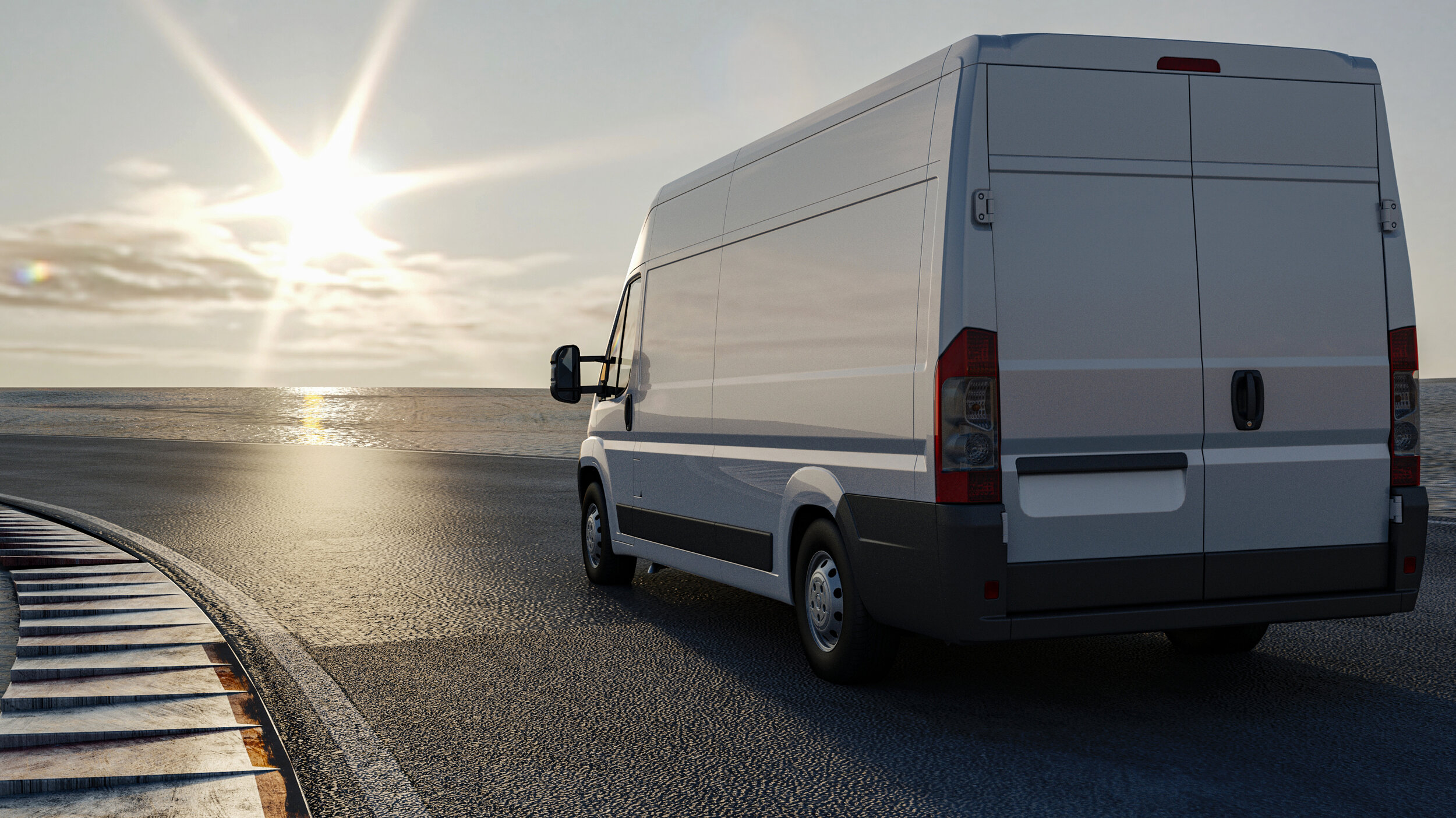
In today’s fast-moving supply chain industry, temperature-sensitive goods such as fresh produce, dairy, meat, pharmaceuticals, and frozen foods need to travel long distances without losing quality. This is where a truck chiller becomes essential. A truck chiller, also known as a transport refrigeration unit, keeps the cargo area of a truck at a controlled temperature, ensuring that perishable goods stay fresh from the point of loading to the point of delivery.
Whether you run a small delivery business or manage a large logistics fleet, understanding how a truck chiller works, its types, and how to maintain it can save you money, reduce spoilage, and keep your customers satisfied. In this guide, we will cover everything you need to know about truck chillers in simple, easy-to-understand language.
What Is a Truck Chiller?
A truck chiller is a refrigeration system installed on a truck, van, or trailer to maintain a specific low temperature inside the cargo compartment. Unlike a regular air conditioning system, a truck chiller is designed to handle heavy-duty cooling loads, insulated cargo boxes, and long-duration operation, often running continuously for many hours during transit.
Truck chillers are widely used by businesses involved in:
- Food and beverage delivery
- Dairy and meat transport
- Pharmaceutical and medical supply logistics
- Flower and floral distribution
- Ice cream and frozen food delivery
How Does a Truck Chiller Work?
A truck chiller works on the same basic principle as a home refrigerator, but on a much larger and more powerful scale. It uses a refrigerant that circulates through a compressor, condenser, expansion valve, and evaporator to remove heat from the cargo area and release it outside the vehicle.
The basic cycle includes:
- Compression – The compressor pressurizes the refrigerant gas, raising its temperature.
- Condensation – The hot gas passes through the condenser, where it releases heat and turns into a liquid.
- Expansion – The liquid refrigerant passes through an expansion valve, reducing pressure and temperature.
- Evaporation – The cold refrigerant absorbs heat from the cargo compartment, cooling the air inside, and then returns to the compressor to repeat the cycle.
This continuous cycle keeps the truck’s interior at the desired temperature, whether it needs to be slightly chilled or deeply frozen.
Types of Truck Chillers
There are several types of truck chiller systems available, depending on the size of the vehicle and the cooling requirements.
1. Direct Drive Truck Chillers
These units run directly off the truck’s engine and are commonly used in small to medium-sized delivery vehicles. They are cost-effective but only operate while the engine is running.
2. Diesel-Powered Standalone Units
These chillers have their own independent diesel engine, allowing them to run even when the truck’s main engine is off. They are ideal for long-haul transport and larger trailers.
3. Electric Truck Chillers
Electric units run on battery power or plug-in electricity, making them a quieter and more environmentally friendly option, often used for urban deliveries and last-mile logistics.
4. Hybrid Truck Chillers
These combine diesel and electric power sources, offering flexibility for businesses that need both long-distance and short-distance cooling solutions.
Benefits of Using a Truck Chiller
Investing in a good quality truck chiller offers several advantages for businesses dealing with perishable goods:
- Preserves Product Quality: Keeps food, medicine, and other sensitive items fresh throughout transit.
- Reduces Spoilage and Waste: Minimizes financial losses caused by temperature-related damage.
- Extends Delivery Range: Allows businesses to transport goods over longer distances without quality concerns.
- Meets Regulatory Standards: Helps companies comply with food safety and pharmaceutical transport regulations.
- Builds Customer Trust: Ensures consistent product quality, improving customer satisfaction and repeat business.
Choosing the Right Truck Chiller
When selecting a truck chiller for your fleet, consider the following factors:
- Cargo Type: Different goods require different temperature ranges frozen items need much colder settings than fresh produce.
- Truck Size: The chiller’s cooling capacity should match the size of the cargo compartment.
- Route and Duration: Longer routes may require standalone diesel units for continuous cooling.
- Power Source: Decide between engine-driven, electric, or hybrid systems based on your operational needs.
- Budget and Maintenance Costs: Balance upfront cost with long-term maintenance and fuel efficiency.
Truck Chiller Maintenance Tips
Proper maintenance ensures your truck chiller performs reliably and lasts longer. Here are some essential tips:
- Check refrigerant levels regularly and refill if needed.
- Inspect door seals and insulation for leaks that let cold air escape.
- Clean condenser coils to prevent dust and debris buildup.
- Monitor compressor performance and listen for unusual noises.
- Schedule professional servicing at least twice a year.
- Keep temperature logs to track performance and catch issues early.
Common Problems with Truck Chillers
Even well-maintained units can face occasional issues. Some common problems include:
- Inconsistent Temperature: Often caused by faulty thermostats or blocked airflow.
- Refrigerant Leaks: Reduce cooling efficiency and require immediate repair.
- Compressor Failure: Usually due to lack of maintenance or overuse.
- Frost Buildup: Can indicate a malfunctioning defrost cycle.
Addressing these problems early through routine inspection can prevent costly breakdowns during transit.
Conclusion
A truck chiller is a vital investment for any business involved in transporting perishable goods. From preserving food quality to meeting safety regulations, the right refrigeration unit can make a significant difference in operational efficiency and customer satisfaction. By understanding the types, benefits, and maintenance needs of truck chillers, businesses can make informed decisions and keep their cold chain logistics running smoothly.
Frequently Asked Questions (FAQs)
1. What is the difference between a truck chiller and a truck freezer?
A truck chiller typically maintains temperatures suitable for fresh goods (around 0°C to 8°C), while a truck freezer maintains much colder temperatures (below -18°C) for frozen items.
2. How long can a truck chiller run without the engine on?
This depends on the type of unit. Diesel-powered standalone units can run independently for many hours, while direct-drive systems only work when the truck engine is running.
3. How much does a truck chiller cost to install?
Costs vary widely based on unit type, cargo size, and power source, ranging from a few hundred to several thousand dollars for larger standalone systems.
4. How often should a truck chiller be serviced?
It is generally recommended to service a truck chiller at least twice a year, though heavy-use fleets may require more frequent checks.
5. Can a truck chiller be used for multiple temperature zones?
Yes, many modern truck chillers offer multi-temperature zone options, allowing businesses to transport both chilled and frozen goods in the same vehicle using separate compartments.