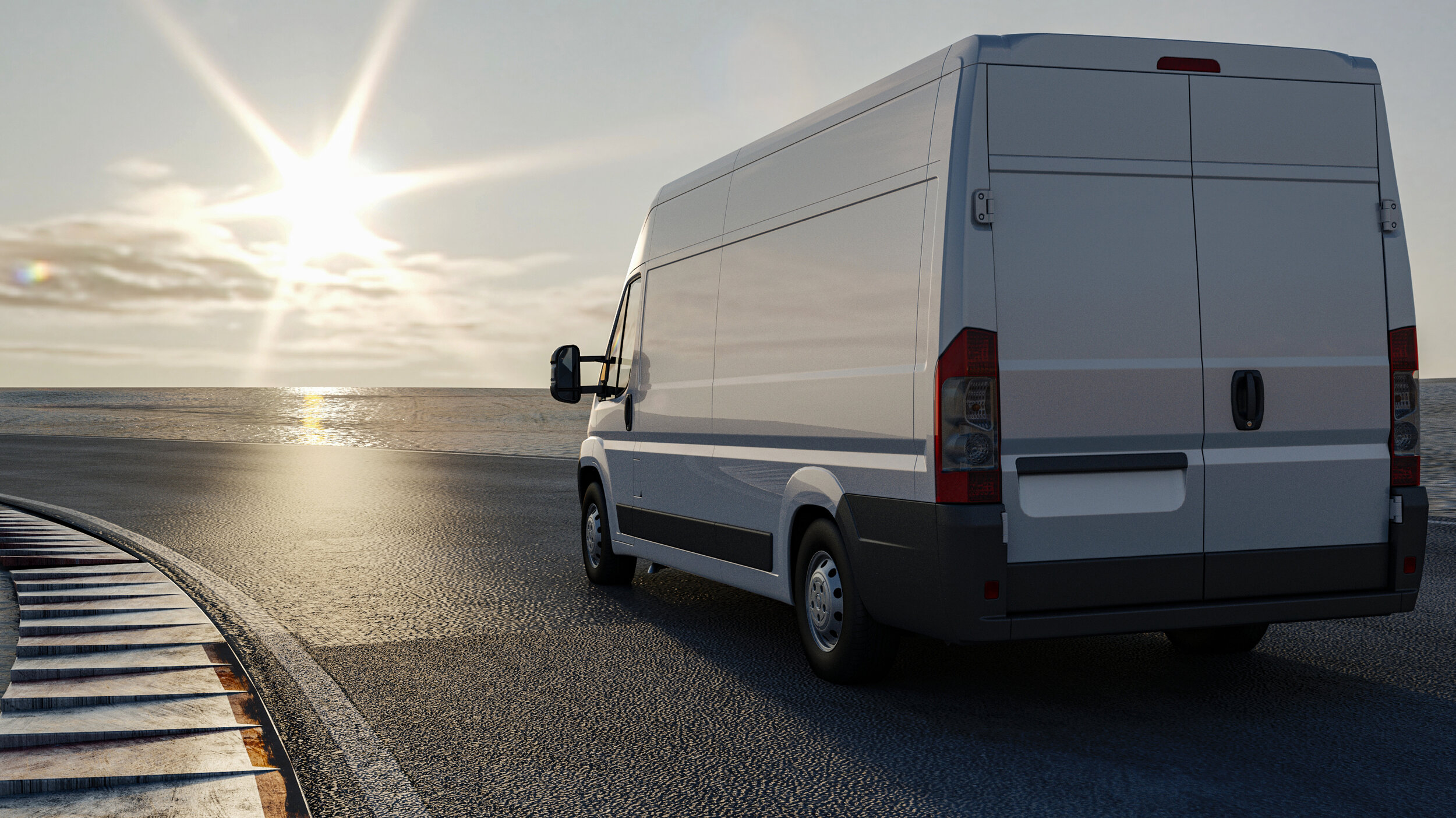
In today’s fast-moving supply chain industry, keeping products fresh from origin to destination is more important than ever. This is where a refrigerated truck plays a critical role. Whether it’s fresh produce, dairy, meat, pharmaceuticals, or frozen goods, a refrigerated truck ensures that temperature-sensitive items reach their destination without spoiling. In this guide, we’ll break down everything you need to know about refrigerated trucks how they work, their types, benefits, common uses, and tips for choosing the right one for your business.
What Is a Refrigerated Truck?
A refrigerated truck, often called a “reefer truck,” is a commercial vehicle equipped with a cooling system that maintains a controlled temperature inside its cargo area. Unlike a standard delivery truck, a refrigerated truck can keep goods chilled or frozen throughout transit, regardless of outside weather conditions. This makes it an essential asset for businesses dealing with perishable goods.
The core of a refrigerated truck is its refrigeration unit, which works similarly to a large air conditioning system. It circulates cold air throughout an insulated cargo box, keeping the internal temperature stable even during long-distance hauls.
How Does a Refrigerated Truck Work?
A refrigerated truck operates through a combination of insulation and mechanical cooling. Here’s a simple breakdown of the process:
- Insulated Body: The truck’s cargo area is built with insulated panels that prevent outside heat from entering.
- Refrigeration Unit: A compressor-driven cooling system, mounted on the truck’s exterior, continuously circulates cold air.
- Temperature Control Panel: Drivers or operators can set and monitor the desired temperature, which can range from deep-freeze levels to mild refrigeration.
- Air Circulation System: Fans and vents ensure even cooling throughout the cargo space, preventing hot spots.
This combination allows a refrigerated truck to maintain consistent temperatures for hours or even days, depending on the route and load.
Types of Refrigerated Trucks
Not all refrigerated trucks are the same. Depending on business needs, there are several types available:
- Refrigerated Vans: Smaller vehicles ideal for local deliveries, such as grocery stores or restaurants.
- Box Trucks with Reefer Units: Mid-size trucks commonly used for regional distribution.
- Refrigerated Trailers: Large trailers attached to semi-trucks, used for long-haul and cross-country transport.
- Multi-Temperature Trucks: Equipped with separate compartments, allowing different temperature zones within a single vehicle.
Choosing the right type depends on cargo volume, distance, and the specific temperature requirements of the goods being transported.
Benefits of Using a Refrigerated Truck
Investing in or hiring a refrigerated truck offers several advantages for businesses in the food, pharmaceutical, and logistics industries.
1. Preserves Product Quality
By maintaining a consistent temperature, a refrigerated truck prevents spoilage, bacterial growth, and quality degradation, ensuring products arrive fresh.
2. Expands Market Reach
With reliable cold chain transport, businesses can safely deliver goods over longer distances, reaching customers in different cities or even countries.
3. Reduces Waste and Losses
Spoiled inventory means lost revenue. A refrigerated truck significantly reduces the risk of temperature-related losses during transit.
4. Ensures Regulatory Compliance
Many industries, especially food and pharmaceuticals, must follow strict temperature guidelines. A refrigerated truck helps businesses stay compliant with health and safety regulations.
5. Builds Customer Trust
Consistent, fresh deliveries strengthen customer confidence and brand reputation, especially for e-commerce and grocery delivery services.
Common Uses of Refrigerated Trucks
Refrigerated trucks are used across multiple industries, including:
- Food and Beverage: Transporting fruits, vegetables, dairy, meat, and frozen foods.
- Pharmaceuticals: Delivering vaccines, medicines, and lab samples that require strict temperature control.
- Floral Industry: Keeping flowers fresh during transport.
- Retail and E-commerce: Supporting grocery delivery and online perishable goods orders.
- Catering and Hospitality: Transporting ingredients for events and restaurants.
Tips for Choosing the Right Refrigerated Truck
If you’re planning to buy or rent a refrigerated truck, keep these factors in mind:
- Cargo Volume: Estimate the size and quantity of goods you’ll be transporting regularly.
- Temperature Range: Confirm the truck can maintain the specific temperature your products need.
- Route Distance: Long-haul routes may require more powerful refrigeration units and fuel-efficient engines.
- Maintenance Costs: Refrigeration units require regular servicing, so factor this into your budget.
- Fuel Efficiency: Look for trucks with energy-efficient cooling systems to reduce operating costs.
Maintenance Tips for Longevity
To keep a refrigerated truck running efficiently for years, businesses should:
- Schedule regular inspections of the refrigeration unit.
- Check door seals and insulation for leaks.
- Clean the interior regularly to prevent bacterial buildup.
- Monitor temperature logs to catch issues early.
- Train drivers on proper loading techniques to maintain airflow.
Conclusion
A refrigerated truck is more than just a vehicle it’s a vital link in the cold chain that keeps perishable products safe, fresh, and market-ready. From small refrigerated vans to large reefer trailers, choosing the right type and maintaining it properly can significantly impact business efficiency and customer satisfaction. Whether you’re in the food industry, pharmaceuticals, or logistics, investing in reliable refrigerated transport is a smart move for long-term success.

Frequently Asked Questions (FAQs)
1. What is the main purpose of a refrigerated truck?
The main purpose of a refrigerated truck is to transport temperature-sensitive goods, such as food, dairy, and medicines, while maintaining a controlled internal temperature to prevent spoilage.
2. How cold can a refrigerated truck get?
Depending on the unit, a refrigerated truck can maintain temperatures ranging from mild cooling (around 10°C) to deep freezing (as low as -20°C or lower).
3. What is the difference between a refrigerated truck and a regular truck?
A regular truck has no temperature control system, while a refrigerated truck is equipped with insulation and a cooling unit to keep cargo at a specific temperature throughout transit.
4. How much does it cost to maintain a refrigerated truck?
Maintenance costs vary based on the size of the unit and usage, but businesses should budget for regular servicing of the refrigeration system, seal inspections, and fuel costs.
5. Can a refrigerated truck transport multiple temperature zones at once?
Yes, multi-temperature refrigerated trucks are designed with separate compartments, allowing businesses to transport items requiring different temperature settings in a single trip.